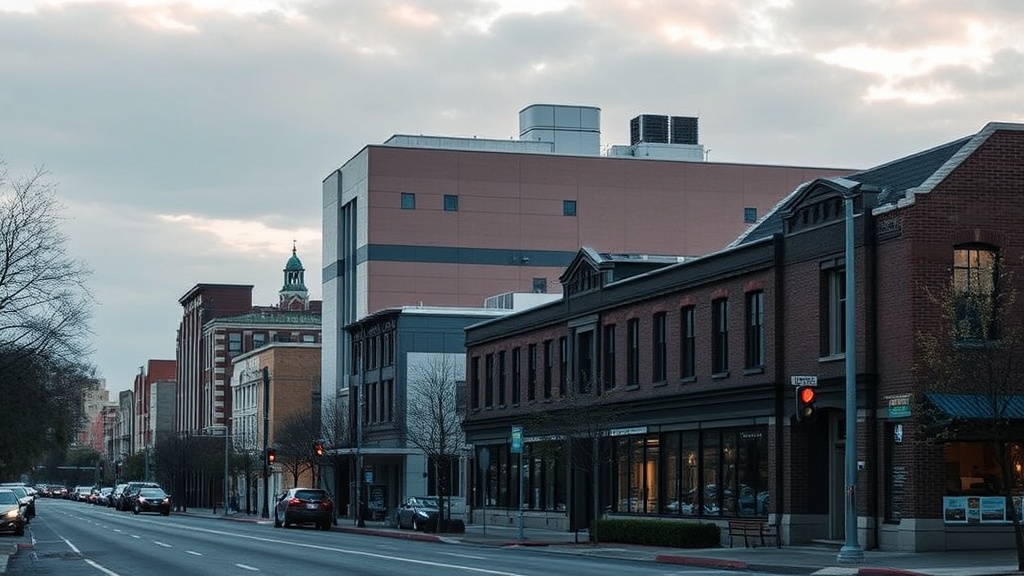
Getting Involved with Local Planning and Zoning in The Glebe

Why many think local government is too complicated for residents
Most people assume that participating in municipal planning or understanding a new development proposal requires a degree in urban design or a background in law. That is a massive misconception. In The Glebe, the decisions made about our streets, our zoning bylaws, and our heritage protections are actually quite accessible if you know where to look. Whether it is a change to the setbacks on Bank Street or a new residential proposal near the Rideau Canal, being an informed resident means knowing how to voice an opinion before a shovel hits the ground. We often feel like these processes are closed doors, but they are actually open to anyone living in our community.
Understanding the rhythm of The Glebe is about more than just knowing when the snowplows come by; it is about understanding how our neighbourhood evolves. When a new development is proposed, it goes through a series of public consultations that directly impact the character of our streets. If you live near the intersection of Bank and Fifth, you've likely seen how much a single change can alter the local vibe. Being proactive means staying ahead of the curve rather than reacting once the construction fences are already up.
Where can I find out about upcoming developments in The Glebe?
The first step is knowing the official channels. The City of Ottawa maintains a public register for all planning applications, but it can be a bit dense. For us residents in The Glebe, the most efficient way to stay informed is to keep an eye on the Ottawa Planning Department's website. You can search specifically for applications within our ward. Another great way is to watch for the physical notices—those white signs that pop up on lawns or near construction sites. While they might seem like a nuisance, they are actually your first warning sign that something is changing in our neighbourhood.
We also recommend checking the City of Ottawa Planning and Development page frequently. It is the most reliable source for seeing what is currently under review. Often, a developer will submit a proposal that might impact the sunlight or the traffic flow on streets like Isabella or Fifth Avenue. By checking early, you can participate in community meetings where your voice actually carries weight. Our community is quite vocal, and the city does listen when we show up in a coordinated way.
How do I submit a formal comment on a local project?
Once you have identified a project that interests (or concerns) you, you need to act within the designated comment period. This isn't just about sending an email to a generic inbox; it is about providing specific, relevant feedback. If a proposal affects the heritage status of a building near the Glebe Community Centre, your comment should focus on that. The more your feedback relates to the actual zoning bylaws or the official plan, the more it will be considered. Don't just say you don't like it—explain why it doesn't fit the character of The Glebe.
A great way to ensure your voice is heard is to participate in public meetings. These are often held virtually now, making it easier for us to attend from our homes. You can also reach out to your local Councillor's office. The Councillor is your representative in the city council and can often provide clarity on how a specific project fits into the long-term vision for our neighbourhood. Remember, a well-reasoned argument about street parking, building height, or green space is much more effective than a general complaint.
What impact does zoning have on property values in The Glebe?
This is a question we hear often at local community meetings. Zoning determines what can be built and where. In a historic and established area like ours, even small changes can have significant ripples. For instance, a change in zoning that allows for higher density or different types of commercial use can change the way we interact on our sidewalks. Understanding these rules helps you protect your investment and ensures the neighbourhood remains the place we all fell in love with.
If you are looking to build or renovate, you should be aware of the specific heritage guidelines that apply to many properties in our area. Many of our homes have specific protections that prevent certain types of modern alterations. This is why it is so important to consult the Heritage Program guidelines before you start planning any major exterior work. Being a good neighbor in The Glebe means respecting the architectural history that makes our streets so unique.
Whether you are interested in the future of the commercial strips along Bank Street or the preservation of our leafy residential side streets, being informed is your best tool. We are a community that cares deeply about our surroundings, and that starts with being active participants in the planning process. Don't let the jargon intimidate you—the goal is to keep The Glebe the vibrant, beautiful place it has always been for the next generation of residents.