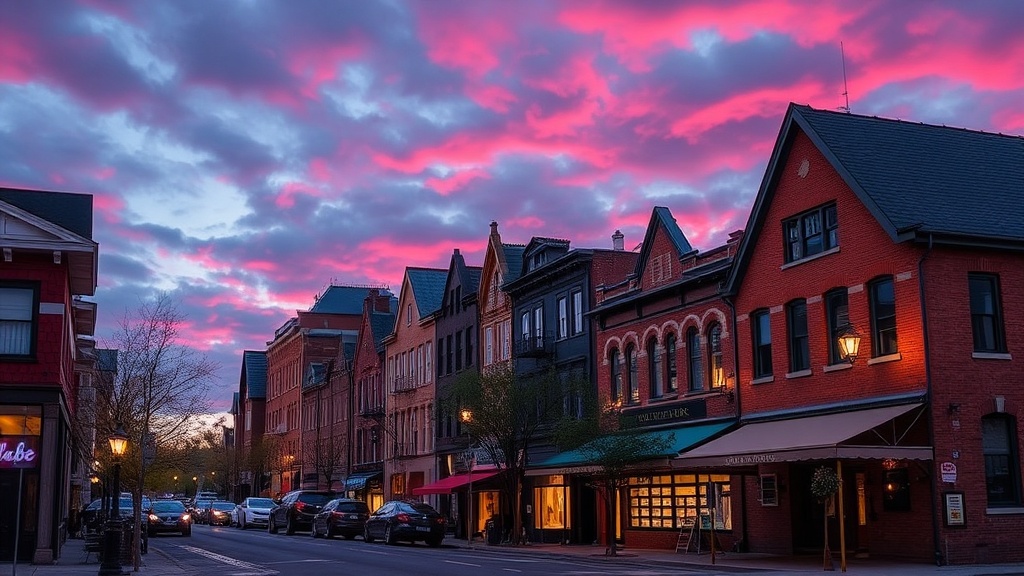
5 Must-Visit Hidden Gems in Ottawa's Glebe Neighborhood

Glebe Memorabilia & Antique Market
Kettleman's Bagel Co. on Bank Street
Lansdowne Park Sunday Farmers' Market
Patterson Creek Canal Pathway
Kanjata Clothing Co. Boutique
The Glebe isn't just another pretty Ottawa neighborhood with tree-lined streets and heritage homes. This pocket of the city hides some genuinely unexpected spots that even longtime residents overlook. Whether you're new to the area, planning a weekend visit, or you've driven through Bank Street a hundred times without venturing past the main drag, this guide surfaces five under-the-radar destinations worth your time. No tourist traps. No filler. Just places that deliver something you won't find in the ByWard Market crowds.
What Makes The Glebe Different From Other Ottawa Neighborhoods?
The Glebe sits on unceded Algonquin territory, stretching south of downtown between the Rideau Canal and Bronson Avenue. Unlike the polished commercial strips in Westboro or the government-heavy vibe of Centretown, this area carries a distinct character — part Victorian residential charm, part counterculture history, part quietly wealthy enclave. The neighborhood got its name from the clerical term "glebe lands" (property set aside to support a parish priest), and that ecclesiastical DNA still lingers in the street names and some of the architecture.
But here's what actually matters: The Glebe has pockets of weirdness. Independent businesses that survived gentrification. Hidden courtyards. A restaurant scene that punches above its weight without the pretension you'll find closer to Parliament Hill. You won't find these spots by following the main artery of Bank Street — you need to know where to look.
Where Can You Find The Best Small-Batch Coffee Outside The Main Strip?
Bread and Roses Café occupies a quiet corner on Fifth Avenue, and it's the kind of place that doesn't advertise itself.
Most visitors to The Glebe stop at the Bridgehead on Bank Street — it's visible, it's consistent, and there's usually a lineup out the door on Saturday mornings. Bread and Roses takes a different approach. The space feels more like someone's renovated living room than a commercial café, with mismatched furniture, local art cycling through the walls, and baristas who actually remember regulars' orders.
The coffee program focuses on small-batch Canadian roasters — Happy Mug makes regular appearances, along with seasonal selections from roasteries you've probably never heard of. The espresso drinks are pulled with care, not speed. That said, the real draw here is the atmosphere. Students from Carleton and Ottawa U camp out with laptops in the back corner. Locals argue about municipal politics at the communal table. Nobody's rushing anyone out the door.
The food menu stays simple: soups, sandwiches, baked goods from nearby ThimbleCakes on days when they have them. Nothing fancy. Nothing needs to be.
Is There A Bookstore In The Glebe Worth Visiting Instead Of Chapters?
Perfect Books on Bank Street (tucked between a dry cleaner and a closed storefront that seems to rotate businesses every eight months) is the last independent bookstore standing in this part of Ottawa.
Here's the thing about Perfect Books — it's small. Intentionally so. The selection is curated by people who actually read, not algorithmic ordering systems. The fiction section leans literary without being snobbish about it. Canadian authors get prominent placement, including plenty of Ottawa writers you'll never see featured in airport bookstores.
The staff recommendations are handwritten on index cards and taped to the shelves. Sometimes they're scrawled in pen with underlined enthusiasm. "Read this if you liked The Overstory" — that kind of thing. The children's section occupies a cozy nook in the back, and the store runs a surprisingly robust ordering system for anything they don't stock.
What separates Perfect Books from the big-box experience isn't just the inventory. It's the events — readings from local authors, book clubs that meet in the cramped back room, occasional poetry slams that draw twenty people and feel like the best kind of underground gathering. In a neighborhood where commercial rents have pushed out plenty of independent retailers, this place persists.
What Local Shops Offer Products You Can't Order Online?
Scrub Inspired on Third Avenue doesn't look like much from the street. The storefront is narrow, the signage is understated, and most pedestrians walk right past it on their way to the LCBO or the bagel shop. That would be a mistake.
This shop makes small-batch body scrubs, soaps, and skincare products on-site. The ingredients are listed on chalkboards in plain English — coffee grounds, coconut oil, brown sugar, essential oils you can actually identify by smell. Nothing unpronounceable. Nothing shipped from a fulfillment center in another country.
The scrubs are the main attraction. They come in glass jars with handwritten labels, and the texture varies by batch because they're made by hand in the back kitchen. Coffee scrub for morning showers. Lavender for winding down. A seasonal rotation that shifts with whatever ingredients they can source from Ontario suppliers.
The catch? These products don't have the shelf life of mass-market alternatives. That's the point. The shop operates on a "make small, sell fresh" philosophy that means you're buying something that will actually expire — and that's a feature, not a bug.
They also run workshops on making your own scrubs at home. The classes fill up fast, mostly through word of mouth. Check their Instagram for announcements, or better yet, walk in and ask when the next one is scheduled.
Where Should You Eat When You Want Something Beyond The Standard Glebe Fare?
The Glebe has no shortage of restaurants. Stubborn Chef (tucked down a side street near Patterson Creek) is the one that doesn't show up on most "best of Ottawa" lists — and the regulars prefer it that way.
The space is tiny. Maybe thirty seats, packed tightly together, with an open kitchen that puts you face-to-face with the cooking process. The menu changes weekly based on what the chef finds at the Ottawa Farmers' Market or through direct relationships with Ontario producers. There is no "signature dish" because nothing stays on the menu long enough to become one.
What you get instead is confident, unfussy cooking. Vegetables treated as the main event. Meats sourced from farms within a two-hour drive. Bread from Art-Is-In Bakery (though they won't always tell you — you'll just notice the quality).
The wine list is short, natural-leaning, and reasonably priced by Ottawa standards. The service is knowledgeable without being performative. This isn't the place to ask for substitutions or modifications — the kitchen is too small, the menu too precisely constructed. Eat what's in front of you. Trust the process.
Reservations aren't accepted. Arrive early or late, or be prepared to wait at the bar with a glass of something interesting.
Which Outdoor Space In The Glebe Actually Rewards Exploration?
Everyone knows the Rideau Canal runs through The Glebe. Everyone knows about Lansdowne Park. The hidden gem is Patterson Creek Park — a stretch of water and trail that most people assume is just a scenic backdrop for the adjacent homes.
Patterson Creek flows from the Canal near the Bank Street Bridge, creating a quiet waterway that feels disconnected from the city despite being minutes from downtown. The park itself is narrow, running between the creek and residential streets, with a paved path that's perfect for walking or cycling but too cramped for the crowds that flock to bigger green spaces.
Here's why it matters: in spring and fall, when the Canal isn't frozen for skating or busy with boats, Patterson Creek becomes a migration corridor for birds. Herons fish in the shallows. Ducks nest in the reeds. If you're patient and quiet, you'll see species that don't hang around the more trafficked parts of Ottawa's waterway system.
The path connects to the larger Canal pathway network, which means you can use Patterson Creek as a starting point for longer walks — south toward Dow's Lake and the Arboretum, or north into the heart of downtown. But the section through The Glebe rewards slowing down. Bring coffee from Bread and Roses. Find a bench. Watch the water.
Quick Comparison: Glebe Hidden Gems At A Glance
| Spot | Best For | When to Go | What to Expect |
|---|---|---|---|
| Bread and Roses Café | Working, reading, slow mornings | Weekday afternoons | Small-batch coffee, local vibe, no rush |
| Perfect Books | Literary discoveries, Canadian authors | Evening events | Curated selection, handwritten recs, community |
| Scrub Inspired | Self-care, local gifts | Saturday mornings | Handmade products, fresh ingredients, workshops |
| Stubborn Chef | Seasonal dining, natural wine | Early or late dinner | Weekly menu, tiny space, no substitutions |
| Patterson Creek Park | Birdwatching, quiet walks | Spring/fall migration | Urban wildlife, water views, minimal crowds |
How Do You Actually Experience The Glebe Like A Local?
The Glebe rewards repetition. These five spots aren't designed for one-time visits — they're built for regulars, for people who show up enough times that the barista remembers their order or the bookseller sets aside a new release they might like.
That said, you don't need to live here to access the neighborhood's quieter pleasures. Skip the parking garages on Bank Street and find street parking on the residential side streets — it's often easier and puts you closer to the hidden pockets anyway. Walk rather than drive between destinations; The Glebe is compact enough that everything here sits within a fifteen-minute stroll.
Talk to people. The shop owners in this neighborhood built their businesses on relationships, not foot traffic volume. Ask questions. Accept recommendations. The Glebe's best qualities don't announce themselves — they reveal themselves slowly, to people who stick around long enough to notice.
One final thought: these places exist because people choose them over more convenient alternatives. Every purchase at an independent bookstore, every coffee at a neighborhood café, every dinner at a tiny restaurant with a handwritten menu — it keeps something unique alive in a city that sometimes feels increasingly generic. The hidden gems stay hidden because the people who love them prefer it that way. But they're happy to welcome you in — if you're willing to look past the obvious.